Off-plan guide
Furnishing
The instinct when furnishing an investment unit is to start with the living room, because that is the room that photographs. It is the wrong end. Start with who is going to live there, how long they are likely to stay, and what they will compare this apartment against when they are deciding.
Decide the letting horizon first. A unit aimed at twelve-month corporate tenancies and one aimed at short stays want different things. The long let wants durability and neutrality, and can leave more to the tenant. The short stay has to arrive complete — down to the crockery — and it will absorb wear at several times the rate. The furniture budget for the two is not the same number, and neither is the replacement cycle.
Buy the things that get used hardest, best. The mattress, the sofa, the dining chairs, the kitchen. These are what a tenant notices in the first hour and what fails first. Almost everything else can be mid-range without anyone minding. A well-made sofa outlasts three cheap ones and photographs better throughout its life.
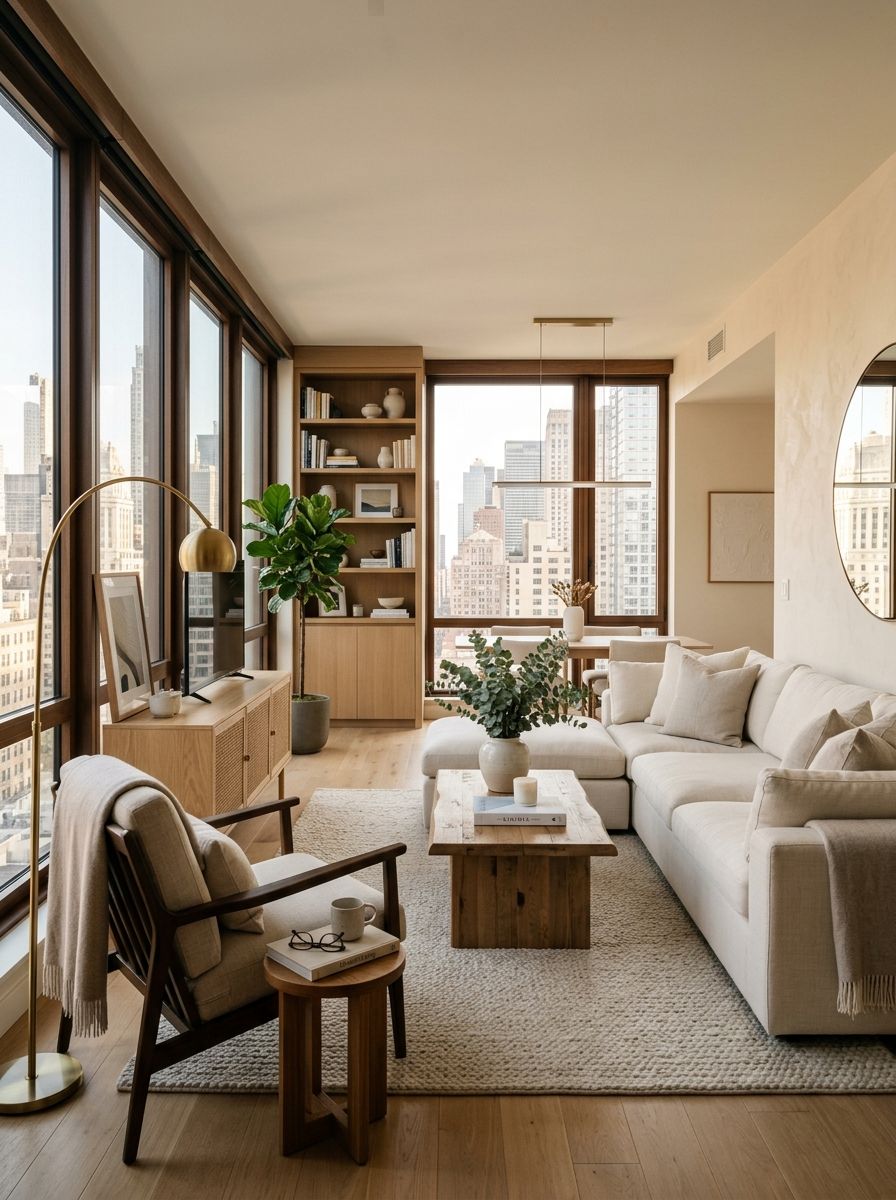
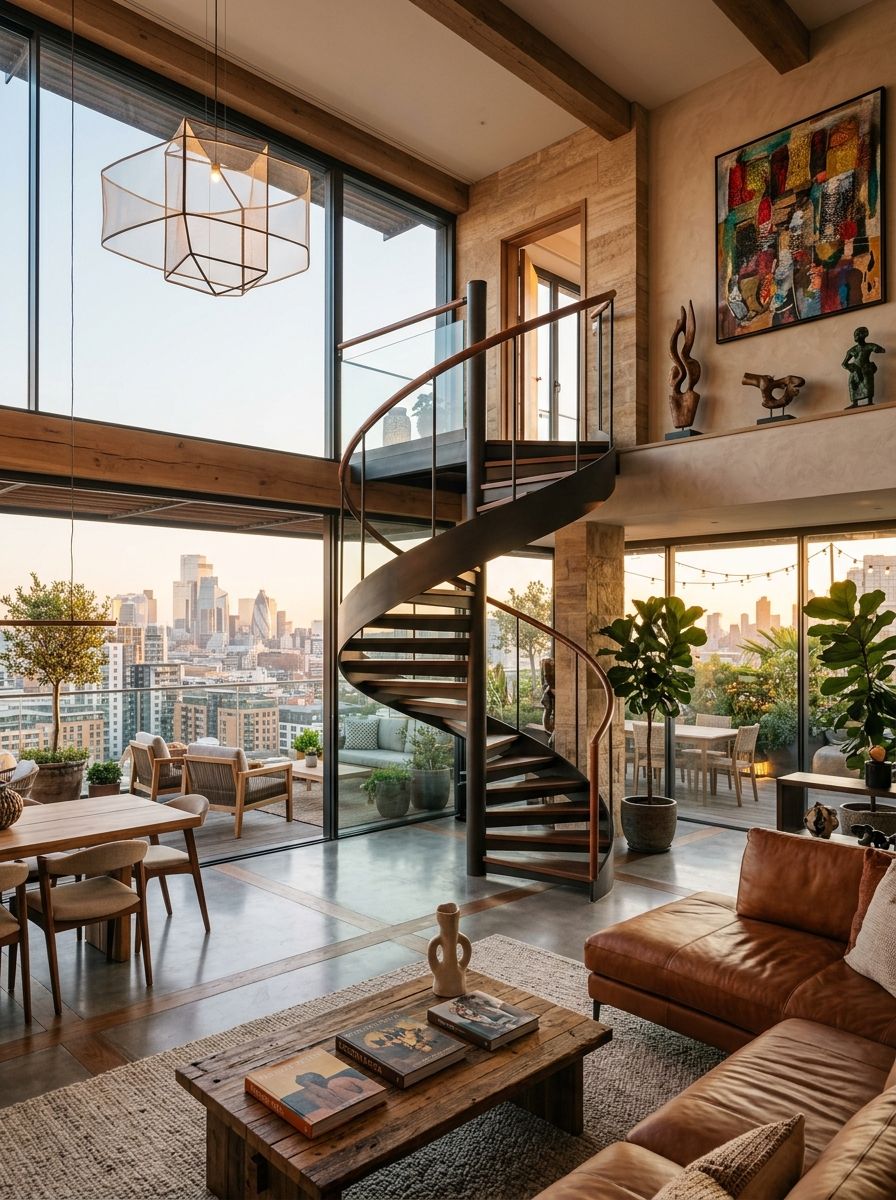
Let the building set the register. Furnishing that argues with the architecture reads as staging. If the unit has full-height glazing and a pale floor, that is the palette; the job is to furnish into it rather than to impose a scheme on top. Rooms that look like they belong to the building let faster.
Plan the storage before the decoration. Wardrobes, a place for luggage, somewhere for cleaning equipment. Under-provisioned storage is the most common complaint in furnished lettings and the most expensive to fix afterwards.
Schedule it as one installation. Sourcing a room at a time means a unit that is unlettable for months and a delivery co-ordination problem with the building's management. A single scheduled installation — everything measured, ordered against one lead time, and placed in one pass — gets the unit to market faster, which usually matters more to the return than the difference between two sofas.
Keep a schedule of what is in it. Every item, its supplier and its cost. It is what you hand a tenant at check-in, what you claim against, and what you use to replace a single piece three years later without re-specifying the room.
Furnishing is the last part of the property journey and the one most often left to the end of the budget. It is also the part a tenant experiences every day, and the only part they can see before they decide.
Book a conversation with a property manager and get the specifics for the development you are considering.